

West Point Landscape Services
Sign up now for autumn service and enjoy a vibrant, worry-free yard all season long.
Get a Free QuoteLandscape Services Tailored for West Point, Georgia
Expert Lawn Care for West Point’s Unique Environment
West Point, Georgia’s residential landscapes face distinct challenges shaped by the region’s humid subtropical climate and rolling terrain. Homeowners in neighborhoods like Harris Street and the areas surrounding West Point Lake often contend with heavy rainfall in spring, which can lead to soil erosion on sloped yards, as well as periods of summer drought that stress turf and ornamental plants. Mature trees in established communities such as Booker Hills provide welcome shade but can create patchy lawns due to limited sunlight and increased leaf litter. Additionally, winter road treatments near major routes like US-29 may introduce salt exposure, impacting curbside plantings. For more information about local parks, community resources, and city services, visit the official West Point website.
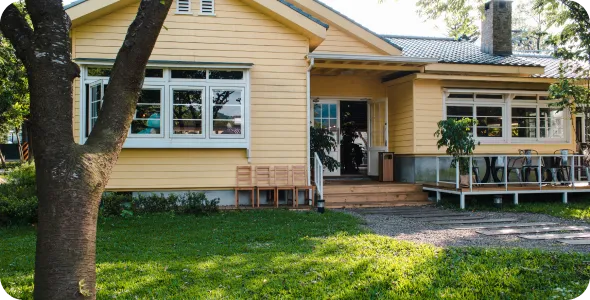
Our West Point Landscaping & Yard Care Services
West Point Gardening Services
West Point Yard Clean Up
Why Choose West Point Landscape Services


West Point Homeowners Trust Us
-
Expert Lawn Maintenance
-
Reliable Seasonal Cleanup
-
Competitive Pricing
-
Professional Team
-
Satisfaction Guarantee
-
Personalized Service
Contact Your Local West Point Public Works or Solid Waste Department for Green Waste Info
West Point residents should follow municipal guidelines for yard waste disposal to protect the Chattahoochee River watershed. The city provides curbside collection of grass clippings, leaves, branches, hedge trimmings, and organic yard debris on a scheduled basis. Branches must be cut to manageable lengths and bundled; loose leaves and clippings should be placed in approved containers rather than plastic bags. Residents can confirm pickup schedules, storm debris procedures, and drop-off options by contacting the city directly. Commercial landscapers may be required to use separate disposal facilities. It is strictly prohibited to blow or dump clippings, leaves, sediment, or fertilizer granules into streets, gutters, storm drains, ditches, or any waterway flowing toward the Chattahoochee, in compliance with the Clean Water Act and local stormwater programs.
West Point Public Works Department
500 E 10th Street, West Point, GA 31833
Phone: (706) 645-3451
Official Website: West Point Public Works Department
Lawn Care Regulations & Permits in West Point, GA
All commercial pesticide applicators working in West Point must hold valid Georgia Department of Agriculture licenses under the Georgia Pesticide Use and Application Act of 1976 and the Georgia Pesticide Control Act of 1976. Verify any applicator through the Georgia Department of Agriculture - Search for Pesticide Applicators. Fertilizer products sold in Georgia are regulated under the Georgia Fertilizer Act of 1997, though local stormwater ordinances may influence application timing and runoff prevention near the Chattahoochee corridor. Outdoor watering must comply with statewide conservation rules outlined by Georgia Water Conservation, including odd/even schedules and time-of-day restrictions. Noise ordinances limit equipment operation hours in residential areas, particularly on weekends. Commercial operators must maintain a valid occupation tax certificate with the City of West Point, carry liability insurance, and ensure vehicle and trailer compliance.
Georgia Department of Agriculture
19 Martin Luther King Jr. Drive SW, Atlanta, GA 30334
Phone: (404) 656-3600
Official Website: Georgia Department of Agriculture
What Neighborhoods Do We Serve in West Point, GA?
West Point sits in Troup County along the lower Piedmont, where the Chattahoochee River defines the Alabama border. The city occupies a transition zone between the classic red-clay Piedmont uplands and the gentler slopes approaching the upper Coastal Plain, but its soils, elevation, and turf profile align most closely with the Metro Atlanta / Piedmont region. Neighborhoods here reflect that reality:
- Downtown / Historic Core — Older lots with mature hardwood canopy, compacted clay soils, and shade-stressed turf. Bermudagrass and zoysiagrass perform best in sunlit areas, while shaded yards often struggle with thin coverage. Historic character influences landscape expectations.
- West Point Lake / Lakeside Areas — Properties near West Point Lake face slope erosion, clay-loam runoff toward the reservoir, and stormwater sensitivity. Bermudagrass dominates sunny lakeside lots; buffer plantings help protect water quality.
- East 10th Street Corridor — Mixed residential and civic properties with compacted builder-grade fill, moderate shade, and drainage challenges during heavy Piedmont thunderstorms.
- North West Point / Highway 29 Corridor — Newer suburban-style development with full-sun bermudagrass lawns, HOA-influenced appearance standards, and stormwater pond proximity requiring careful fertilizer management.
- Avenue F / Avenue J Residential Areas — Established neighborhoods with mature pine and oak canopy, acidic clay soils, and significant leaf litter. Zoysiagrass and bermudagrass are common; aeration is essential to combat compaction.
- South West Point / River Corridor — Low-lying lots near the Chattahoochee with alluvial soils, periodic saturation, and heightened runoff sensitivity. Turf selection must account for occasional wet conditions and stream-buffer regulations.
Soil data from the USDA Web Soil Survey confirms Cecil and Pacolet clay-loam series dominate the upland areas, with alluvial deposits along the river and lake margins.
Partnering With West Point's Stormwater, Environmental, or Sustainability Office
West Point's stormwater management aligns with Georgia EPD - Municipal Stormwater requirements and Georgia EPD - Stormwater best practices. The Chattahoochee River and West Point Lake make local water quality protection especially critical. Sustainable lawn care practices that support these goals include:
- Proper mulching of beds to reduce sediment runoff from exposed clay soils
- Grasscycling to return nutrients and reduce green waste volume
- Compost topdressing to improve infiltration on compacted Piedmont clay
- Rain garden installation in low spots to capture and filter stormwater
- Native and adapted plant integration to reduce irrigation demand
- Erosion-aware planting on slopes leading to the lake or river corridor
Coordination with the Georgia Soil and Water Conservation Commission - Urban Erosion & Sediment Control ensures that any land-disturbing lawn renovation follows proper sediment control protocols.
Georgia Environmental Protection Division
2 Martin Luther King Jr. Drive SE, Suite 1456 East, Atlanta, GA 30334
Phone: (404) 656-4713
Official Website: Georgia Environmental Protection Division
Troup County UGA Cooperative Extension
100 Ridley Avenue, LaGrange, GA 30240
Phone: (706) 883-1675
Official Website: UGA Cooperative Extension
Top West Point Lawn Problems (and How We Solve Them)
West Point's lower Piedmont location creates a specific set of turf challenges. Research from UGA Turfgrass and UGA Lawn Care & Landscaping guides science-based solutions:
- Clay compaction and poor infiltration — Heavy Cecil and Pacolet clays resist water penetration. Core aeration in spring or early fall, combined with compost topdressing, breaks compaction and improves root-zone drainage.
- Erosion and runoff on slopes — Piedmont thunderstorms drive rapid runoff on clay hillsides near the lake and river. Terracing, ground-cover plantings, and proper mowing height help stabilize slopes.
- Brown patch in warm-season turf — Humid summers promote Rhizoctonia outbreaks, especially in over-irrigated or over-fertilized zoysiagrass. Reduce evening watering and avoid excess nitrogen during peak humidity.
- Spring dead spot in bermudagrass — Circular dead patches appear as bermudagrass breaks dormancy. Proper fall potassium applications, core aeration, and avoiding late-season nitrogen reduce severity.
- Shade stress under mature canopy — Dense hardwood and pine canopy in older neighborhoods thins bermudagrass. Selective pruning, conversion to shade-tolerant zoysiagrass, or managed ground-cover beds are effective strategies.
- Armyworm and sod webworm pressure — Late-summer caterpillar infestations can devastate bermudagrass. Integrated pest management with threshold-based treatment and biological controls minimizes chemical use.
- Weed invasion in compacted soils — Compacted clay favors crabgrass, goosegrass, and sedges. Aeration, proper fertility, and pre-emergent timing based on soil temperature monitoring reduce weed pressure.
Soil testing through the Troup County UGA Extension office is the essential first step for any corrective program.
What Makes Lawns in West Point Different From the Rest of Georgia?
West Point occupies a unique position in Georgia's landscape. Key distinguishing factors include:
- USDA Hardiness Zone 8a — Mild winters with occasional hard freezes allow a long warm-season growing window from mid-March through mid-November, but winter dormancy still turns bermudagrass brown for several months.
- Lower Piedmont clay soils — Unlike the sandy Coastal Plain soils of South Georgia or the rocky mountain-fringe soils of North Georgia, West Point's Cecil and Pacolet clay loams demand aeration-focused management and careful drainage planning.
- Chattahoochee River and West Point Lake watershed — Proximity to a major federal reservoir creates heightened stormwater and nutrient-runoff sensitivity not found in most inland Georgia cities.
- Transition-zone turf dynamics — West Point sits where bermudagrass dominates but zoysiagrass thrives in partial shade, and tall fescue struggles with summer heat more than in North Georgia. Centipedegrass appears in some lower-input settings but is less common than in South Georgia.
- Moderate pest pressure — Armyworms, sod webworms, and brown patch are the primary biological threats, distinct from the mole cricket and nematode pressure of sandy southern soils or the salt stress of coastal landscapes.
- Mature small-city canopy — Unlike newer Metro Atlanta suburbs with minimal shade, West Point's established neighborhoods feature dense hardwood and pine cover that shapes every turf decision.
Supporting Local Events in West Point With Lawn Expertise
Professional lawn care supports West Point's community life through preparation and maintenance of public and shared spaces:
- Athletic field conditioning for school sports at West Point schools and recreation facilities
- Park turf maintenance supporting Hardley Creek Park, the West Point Lake area parks, and downtown green spaces
- Downtown festival and event lawn preparation for seasonal community gatherings
- School campus and library grounds care for safe, attractive public landscapes
- Neighborhood association common-area support and post-event cleanup
- Chattahoochee River corridor and greenway cleanup coordination
- Emergency storm response including fallen limb removal, debris clearing, and turf repair after severe Piedmont thunderstorms, high winds, or flooding events
West Point Parks & Recreation Department
500 E 10th Street, West Point, GA 31833
Phone: (706) 645-3451
Official Website: West Point Parks & Recreation Department
Eco-Friendly Landscaping Backed by West Point's Water-Saving and Green Initiatives
Sustainable lawn care in West Point aligns with watershed protection goals for the Chattahoochee River and West Point Lake. Water conservation practices include:
- Smart irrigation controllers calibrated to Piedmont clay infiltration rates
- Watering only during approved early-morning hours per Georgia Water Conservation guidelines
- Drought-tolerant bermudagrass and zoysiagrass selection over high-water-demand alternatives
- Turf reduction in low-use shaded areas replaced with mulched beds or native ground covers
- Compost amendment to improve clay-soil moisture retention and reduce irrigation frequency
Reduced-chemical and lower-emission approaches include:
- Compost topdressing instead of synthetic-only fertility programs
- Integrated pest management with threshold-based treatment decisions
- Pollinator-friendly bed plantings using regionally adapted species per UGA Invasive Species guidance
- Battery-powered mowers, trimmers, and blowers to reduce emissions and noise
- Grasscycling and local mulch reuse to minimize waste and support soil health
National Weather Service — Peachtree City Office
4 Falcon Drive, Peachtree City, GA 30269
Phone: (770) 486-1133
Official Website: National Weather Service Offices
U.S. Environmental Protection Agency, Region 4
61 Forsyth Street SW, Atlanta, GA 30303
Phone: (404) 562-9900
Official Website: U.S. EPA Region 4
Proudly Serving These Streets and Areas in West Point
Our service coverage spans the full geography of West Point, organized by area:
Downtown / Central West Point:
- East 10th Street, East 8th Street, East 3rd Avenue
- West 2nd Avenue, West 3rd Avenue, West 10th Street
- Avenue A, Avenue E, Avenue F, Avenue J
North West Point / Highway 29 Corridor:
- US Highway 29 (North), Clark Street, College Street
- Fort Tyler area, Elm Street, Oak Street
South West Point / River Corridor:
- South Broad Street, River Road, Lower Chattahoochee corridor
- West Point Dam area access roads
Lakeside / West Point Lake Areas:
- West Point Lake Drive, Thompson Road
- Rocky Point area, lakeside residential streets
Notable Landmarks and Features:
- West Point Lake and dam area
- Fort Tyler historic site
- Hardley Creek Park
- West Point Elementary and middle school campuses
- Downtown commercial district along US 29
- Chattahoochee Riverwalk corridor
Properties near West Point Lake, the Chattahoochee River, stormwater detention ponds, or stream buffers require special attention to fertilizer setbacks, erosion control, and runoff prevention under local and state stormwater regulations.
Georgia Soil and Water Conservation Commission
4310 Lexington Road, Athens, GA 30605
Phone: (706) 552-4470
Official Website: Georgia Soil and Water Conservation Commission